Our products

Temperature measurement accessories

Extension and compensation cables

connection, extension, and compensation cables

Downloads:

Extension and compensation cables

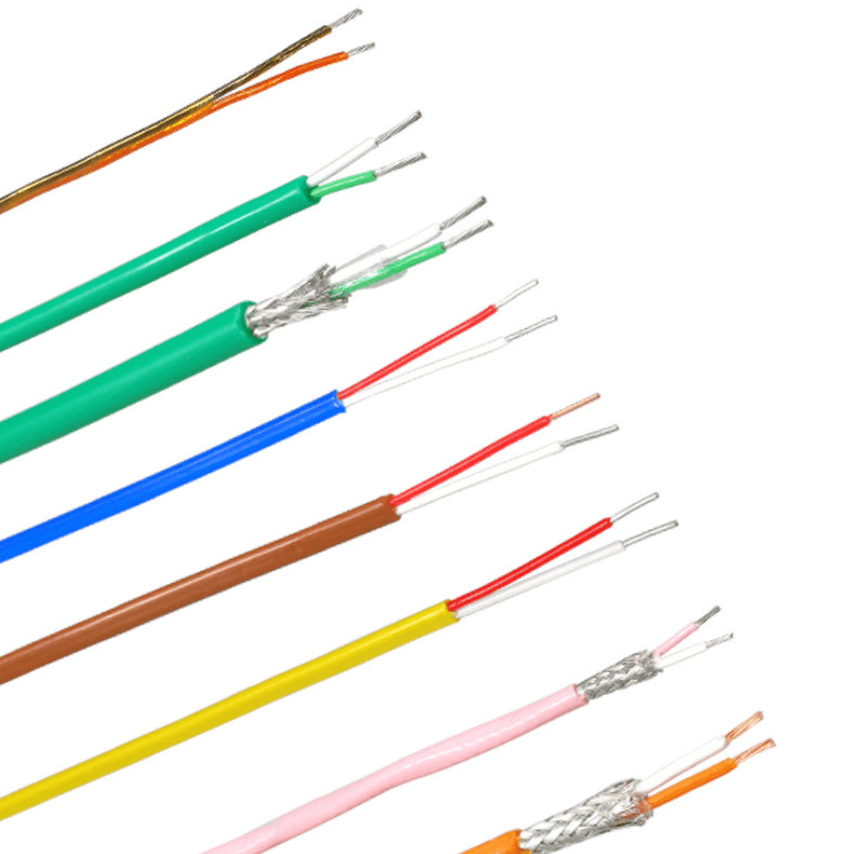
Compensation cables – extension cables Extension cables are used to extend thermocouple circuits; they take the form of electrical cables whose conductors are made of the same materials as those of the thermocouple. Compensation cables are made of other (less expensive) materials whose thermoelectric characteristics are identical up to 100°C. Compensation cables are defined by IEC Standard 584-3, which specifies, among other things, the color coding of the cables as well as their polarity.

Connectors

Downloads:

Connectors

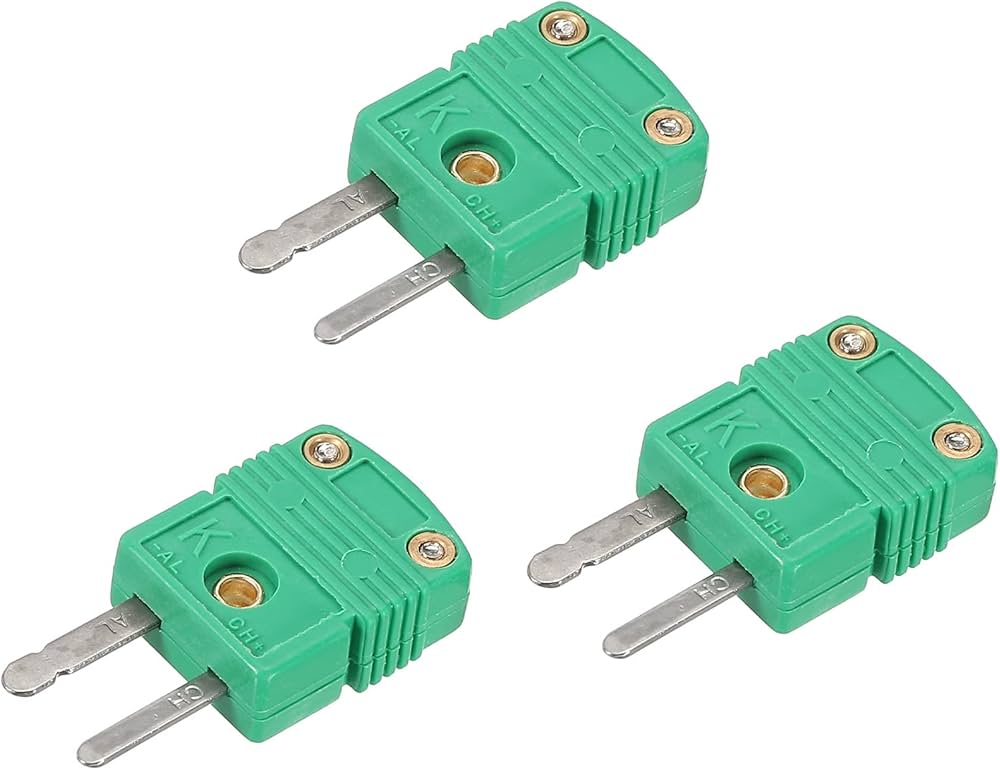
Standard or miniature connectors with offset and polarized contacts are available for K, T, J, E, N, R, B, or S thermocouples. They are also available for connecting platinum probes. Depending on the intended application, standard or miniature connectors can be supplied in 2-, 3-, or 4-pin male or female versions. Thermocouple connectors are manufactured from thermoelectric alloys, allowing connections to be made without compromising the uniformity of the thermocouple. The plastic body of standard connectors is designed to withstand temperatures not exceeding 210 °C. Standard connectors are color-coded.

Flanges

Downloads:

Flanges

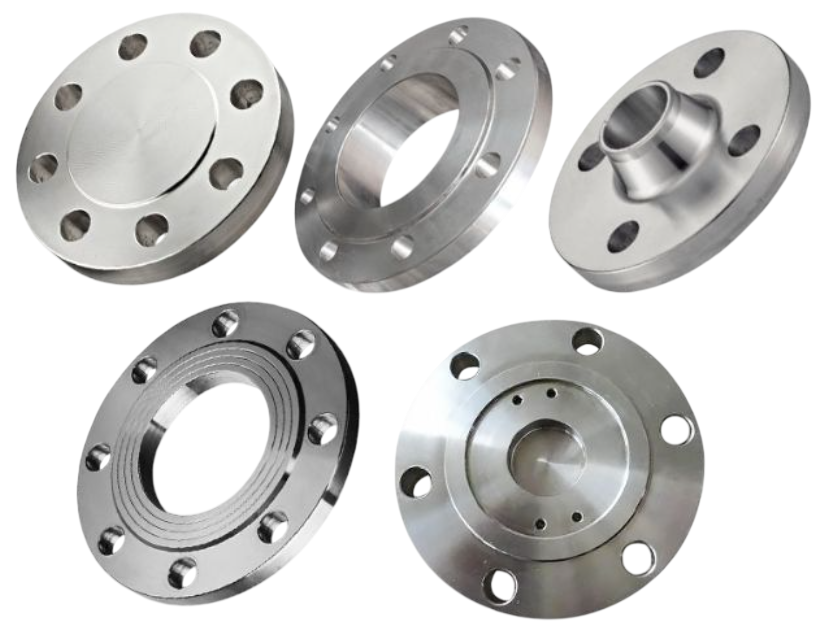
Resistance temperature probes and thermocouples can be equipped with flanges made from materials and designed to be compatible with the required application. The main types of flanges available are: sliding, weld-on, screw-on, solid, or bored. They can be custom-made to customer specifications. These flanges can be manufactured from various materials, such as different types of alloys, low-temperature steels, carbon steels, stainless steels, special steels, Teflon, PVC, and more.

Sleeve

Downloads:

Sleeve

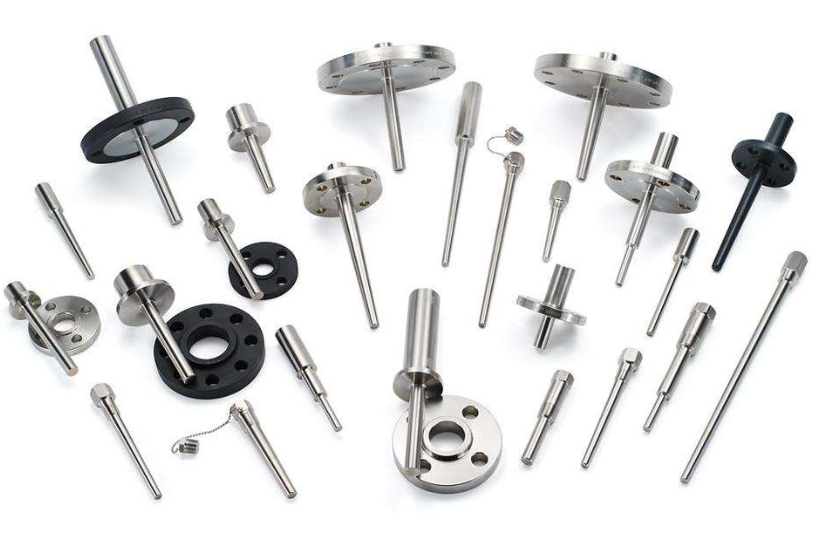
Thermometer wells, more commonly known as “thermowells,” are available in threaded, welded, or flanged configurations. They can be machined from solid stock or mechanically welded. The primary function of the thermowell is to allow for the quick replacement of the sensing element without interrupting process operation, especially in the presence of high pressures or high temperatures. Depending on the operating conditions and required positioning, several design options are available: – Mechanically welded, screw-in type with internal and external threads. – Solid-drilled, welded, with internal threads. – Welded with external threads. – Welded with male/female connection.

Connection heads

Downloads:

DAN-Vis

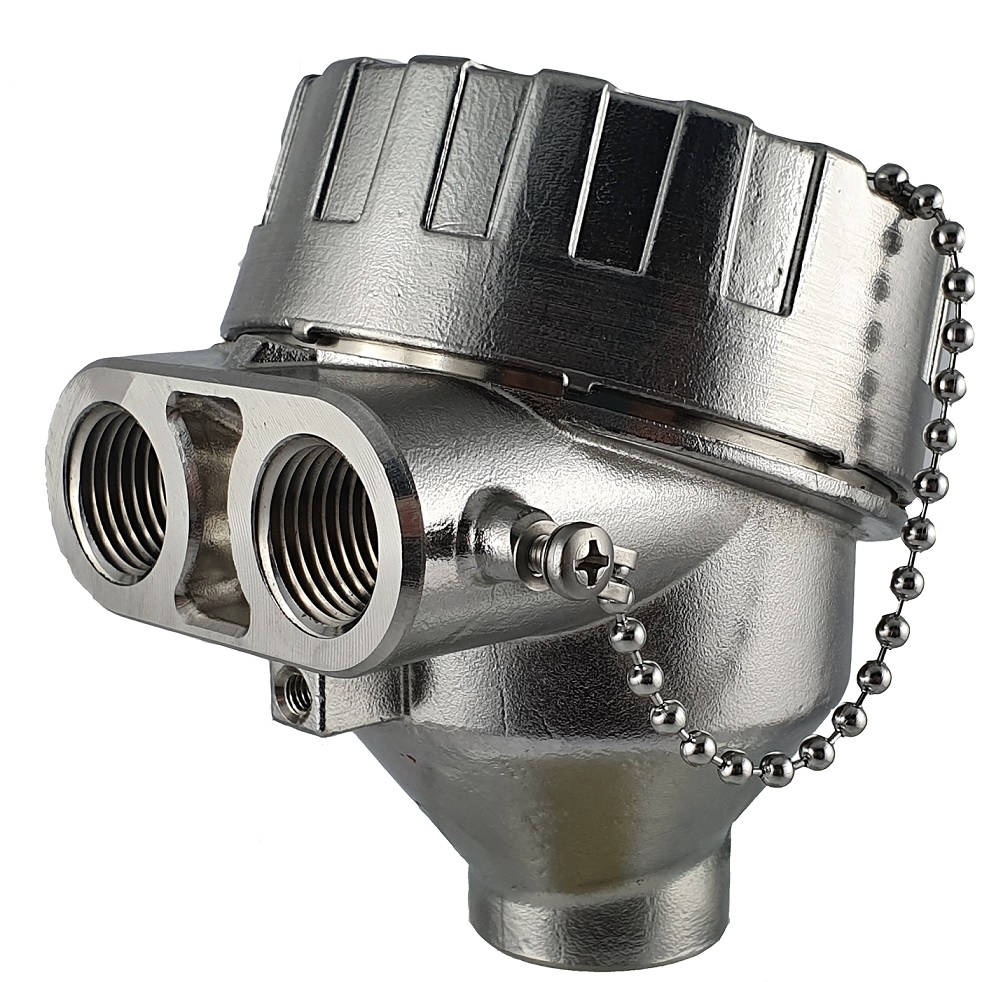
CONNECTION HEADS Type: DAN-Screw / DAN-Clip Material: Light alloy Coating: Epoxy Color: Blue RAL 5015 Gray RAL 9006 Fastening: Screw or clip Center-to-center distance: 33 mm Protection rating: IP 65 (screw) / IP 54 (clip) Cable gland: 1 or 2 M 20

Adjustable strap

Downloads:

Adjustable strap

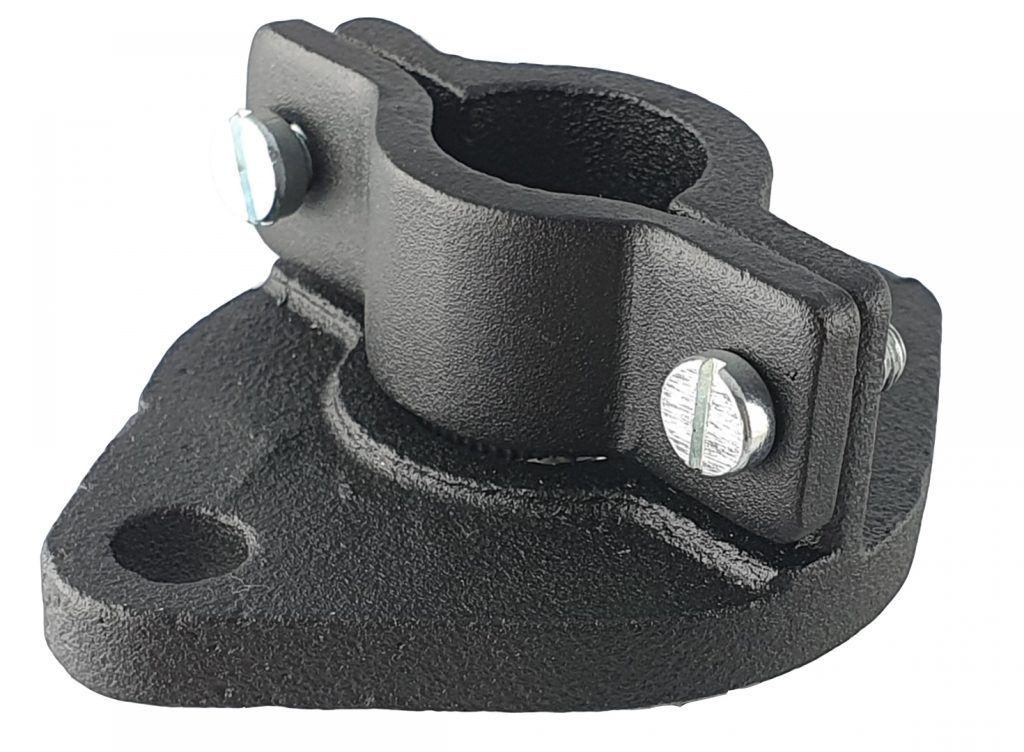
In many applications, a thermocouple or resistance probe must be equipped with mounting accessories such as flanges, fittings, or clamps to ensure optimal performance. Depending on the environments in which measurements will be taken, the materials used for the accessories may vary: – for sliding or non-sliding flanges, the most commonly used materials are generally stainless steel, steel, and PVDF; – for sliding fittings, the most commonly used materials are generally stainless steel, steel, and PVDF. The rings can be made from the same materials but also from materials such as PTFE and nickel-plated brass. – For counterflanges, they are supplied in cast iron, unless otherwise specified by the customer. Clamps are mounting accessories made of stainless steel, specifically designed for the food industry. As with all other accessories, we carefully evaluate any request for production in non-standard materials.

Compression fitting

Downloads:

Compression fitting

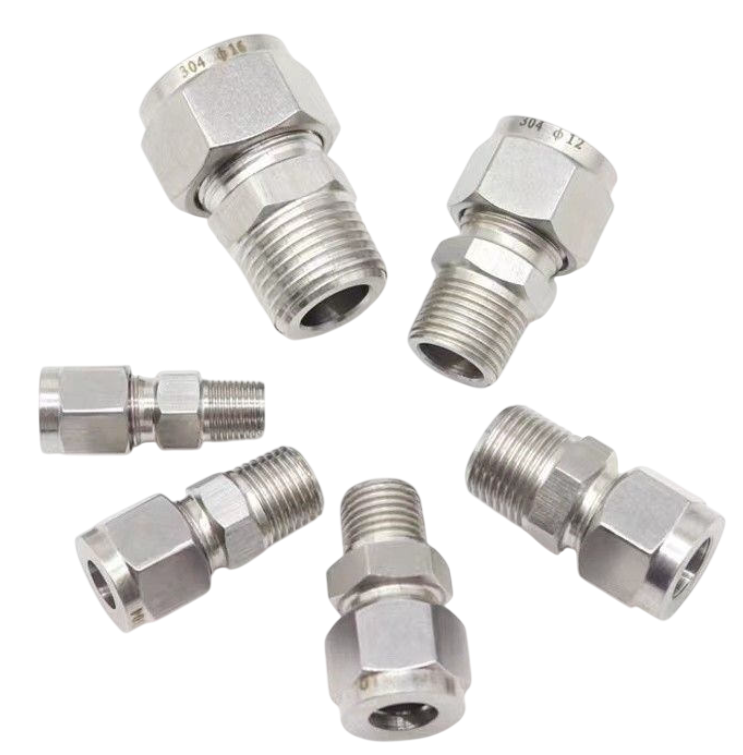
In many applications, a thermocouple or resistance probe must be equipped with mounting accessories such as flanges, fittings, or clamps to ensure optimal performance. Depending on the environments in which measurements will be taken, the materials used for the accessories may vary: – for sliding or non-sliding flanges, the most commonly used materials are generally stainless steel, steel, and PVDF; – for sliding fittings, the most commonly used materials are generally stainless steel, steel, and PVDF. The rings can be made from the same materials but also from materials such as PTFE and nickel-plated brass. – For counterflanges, they are supplied in cast iron, unless otherwise specified by the customer. Clamps are mounting accessories made of stainless steel, specifically designed for the food industry. As with all other accessories, we carefully evaluate any request for production in non-standard materials.